
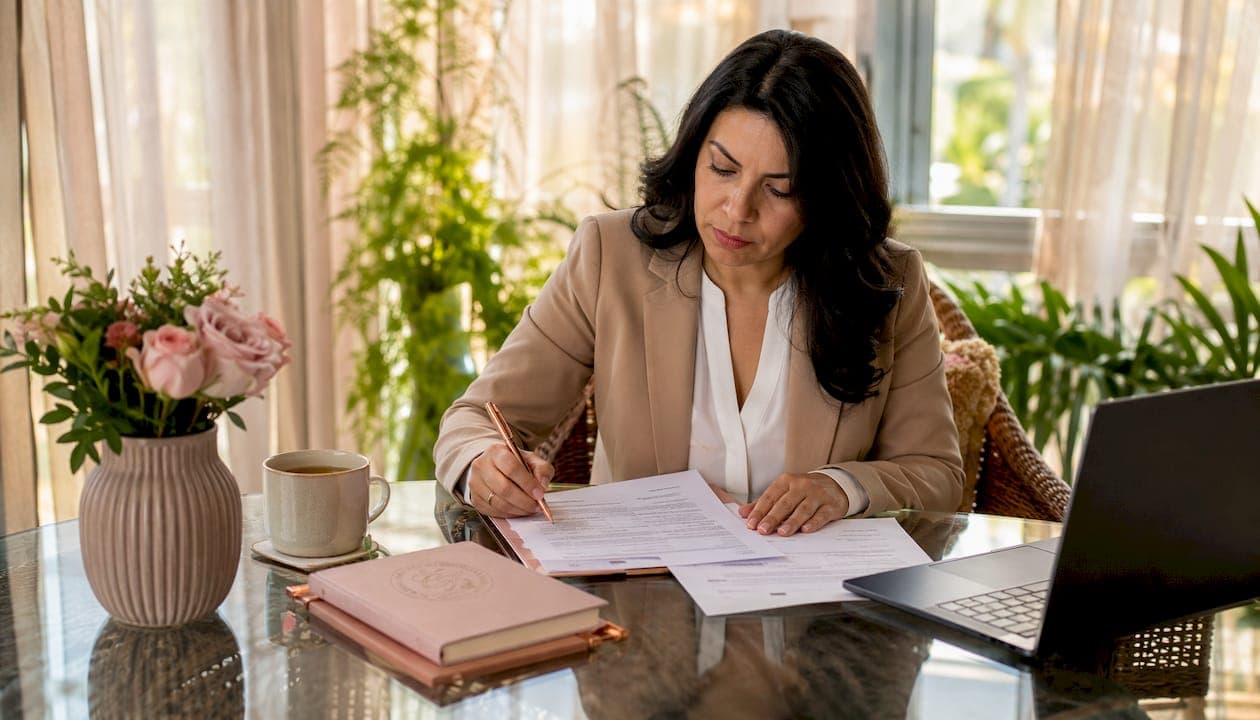
Why bilingual divorce document preparation makes a real difference
Getting through a divorce is hard enough without a language barrier turning every form into a guessing game. Bilingual divorce document preparation benefits go well beyond simple translation. They reduce filing errors, cut costs by eliminating interpreter fees, and give you a clear understanding of what you are signing in your own language.
Here is what working with a bilingual document preparation service actually delivers:
- Fewer errors on critical paperwork. Mistakes in names, dates, or legal terminology can trigger court rejections and force you to refile, adding weeks to your case. Bilingual preparation prevents procedural errors by clarifying information directly in your native language before anything gets submitted.
- Lower overall costs. You avoid paying for a separate court interpreter at every hearing or consultation. Eliminating interpreter fees reduces your total expenses and speeds up case resolution.
- Clear explanations of legal terms. Words like "petitioner," "respondent," "dissolution," and "parenting plan" carry specific legal weight. A bilingual preparer explains what each term means for your situation, not just what it says in a dictionary.
- Better accuracy in uncontested cases. Many people assume bilingual support only matters in contested divorces. It is just as critical in uncontested cases, where a single miscommunication in the paperwork can create disputes that take years to resolve.
- Reduced anxiety throughout the process. Bilingual support reduces client anxiety and increases completion rates by turning an intimidating process into manageable steps, which is crucial for building trust as outlined in trust signals for attorney websites.
- Stronger trust and more open communication. When you can speak freely in your own language, you share more accurate information. That accuracy flows directly into better, more complete documents.
Pro Tip: When evaluating a bilingual service, ask whether bilingual support covers the full process, from intake through filing and follow-up, not just the initial consultation. A service that only translates at the sales stage leaves you without support when it matters most.
What legal document assistants and paralegals actually do in divorce cases
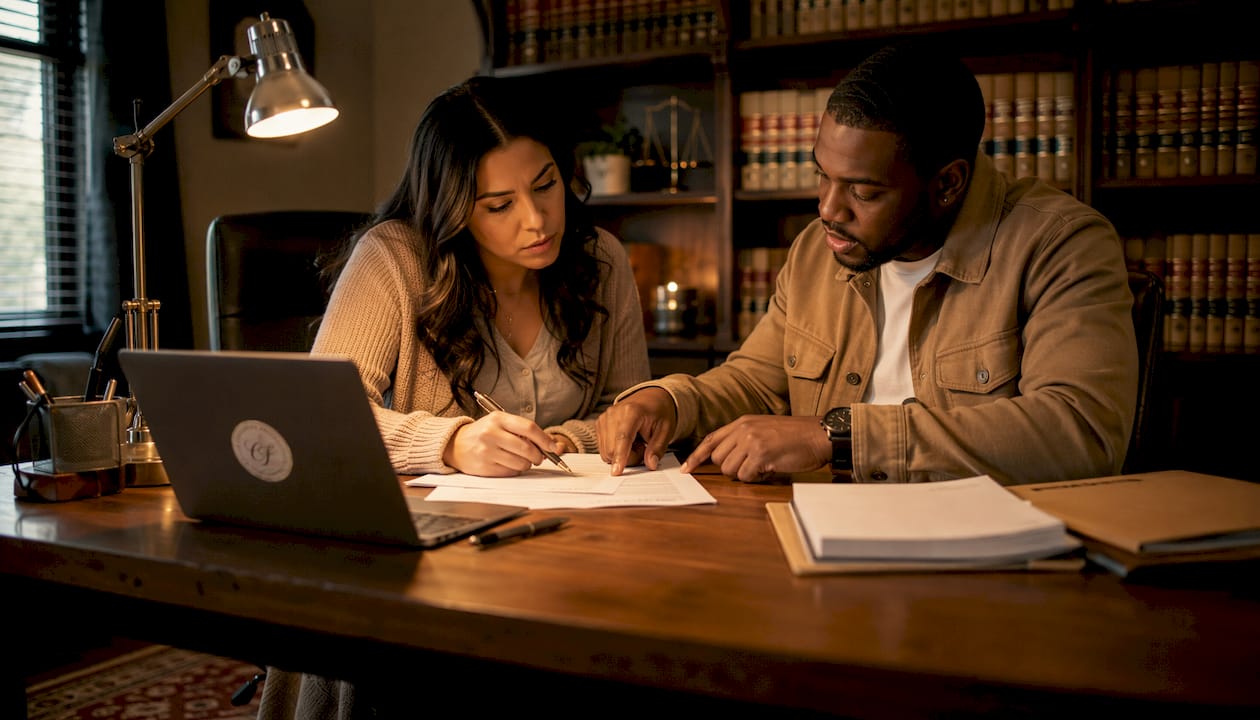
The terms "legal document assistant" and "paralegal" get used interchangeably, but they describe different roles with different scopes of work. Understanding the distinction helps you know exactly what kind of support you are getting.

A legal document assistant (LDA) is a non-attorney professional authorized to prepare legal documents for self-represented clients. In Florida, this role is often called a "legal document preparer." They complete court forms, organize paperwork, and guide you through procedural steps. They do not give legal advice, represent you in court, or tell you what legal strategy to pursue.
A paralegal typically works under the supervision of a licensed attorney. Some paralegals work independently in states that allow it, but their core function is supporting legal work, not replacing attorney representation. An immigration paralegal, for example, may prepare forms and communicate with clients but operates within the boundaries set by their supervising attorney or applicable state rules.
Both roles become significantly more effective when the professional is bilingual. Here is why that matters in practice:
- A bilingual LDA can gather accurate client information without relying on a third-party interpreter, reducing the risk of details being lost or misunderstood.
- A bilingual paralegal can explain procedural requirements in the client's native language, which leads to faster, more accurate form completion.
- Both roles help clients understand what documents are required, what each section asks for, and what happens after filing.
- Neither role replaces an attorney in contested matters involving complex asset division, custody disputes, or domestic violence situations.
For uncontested divorces, where both parties agree on the terms, a qualified bilingual document preparer covers the full scope of what most clients need. You can learn more about how bilingual paralegal roles work in practice through Cflegalformhelp's published guidance.
How the divorce document preparation process works, step by step
Knowing what to expect at each stage removes a lot of the uncertainty that makes divorce paperwork feel overwhelming. The process follows a clear sequence, and bilingual support plays a role at every point.
The core steps look like this:
- Initial intake and information gathering. Your preparer collects your personal details, marriage information, asset and debt overview, and any child-related facts. In a bilingual service, this conversation happens in your preferred language, so nothing gets lost in translation.
- Document selection. Based on your situation, the preparer identifies which forms apply. A standard Florida uncontested divorce typically requires a Petition for Dissolution of Marriage, a Financial Affidavit, and a Marital Settlement Agreement. Cases with children add a Parenting Plan and a Child Support Guidelines Worksheet.
- Form preparation. The preparer completes each form using the information you provided. Accuracy in names, dates, and formatting is critical here. A single transposed digit in a date or a misspelled name can cause a clerk to reject the filing.
- Review with the client. You review the completed documents before anything is filed. A bilingual preparer walks you through each section in your language, confirming that every detail reflects your actual situation.
- Filing guidance. The preparer explains where to file, what fees to expect, and what to bring. They do not file on your behalf in most cases, but they make sure you know exactly what to do.
- Follow-up support. If the court requests corrections or additional documents, a bilingual service communicates those requirements to you clearly, so you can respond without confusion or delay.
Common documents involved in Florida divorce cases include:
- Petition for Dissolution of Marriage
- Summons
- Financial Affidavit (short or long form, depending on assets)
- Marital Settlement Agreement
- Parenting Plan (when children are involved)
- Child Support Guidelines Worksheet
- Final Judgment of Dissolution of Marriage
Bilingual support throughout the entire process, from intake to finalization, is what separates a genuinely helpful service from one that only translates at the front end. Cflegalformhelp's Spanish divorce papers guide walks through Florida-specific requirements in both English and Spanish.
How bilingual preparation removes language and cultural barriers
Language barriers in legal paperwork do not just cause confusion. They cause concrete, costly mistakes. A client who does not fully understand a question on a Financial Affidavit may omit an asset or understate income, creating grounds for future disputes even after the divorce is finalized.
Research on attorney bilingualism shows that working in a shared language fosters trust and allows clients to express genuine concerns more openly, which leads to more accurate case preparation. That principle applies directly to document preparation. When you can describe your situation in your own words, the preparer captures the details correctly the first time.
Cultural competence matters just as much as language ability. Understanding a client's cultural background shapes how legal concepts are explained and how sensitive topics, like property division or parenting arrangements, are discussed. A preparer who speaks your language but lacks cultural awareness may still miss important context.
A few specific ways bilingual preparation prevents errors and delays:
- Terminology confusion. Legal terms rarely translate word-for-word. "Equitable distribution" does not mean equal. "Dissolution" is not the same as annulment. A bilingual preparer explains these distinctions clearly.
- Incomplete disclosures. Clients who do not understand a question tend to leave it blank or guess. Bilingual clarification produces complete, accurate answers.
- Missed deadlines. Court notices and response requirements written only in English can be misunderstood. Bilingual follow-up communication keeps you on schedule.
- Uncontested cases turning contested. A poorly worded settlement agreement can create ambiguity that one party later disputes. Clear, accurate language in the document prevents that outcome.
Bilingual document preparation is not just for contested divorces. Uncontested divorces carry the same risk of long-term errors when paperwork is completed without full understanding of what each clause means.
Key insight: Bilingual legal support is not only about language. It is about cultural competence that connects legal requirements with a client's values and lived experience, producing documents that accurately reflect the agreement both parties actually reached.
What bilingual divorce document preparation typically costs
Pricing for document preparation services varies by provider, location, and the complexity of your case. Understanding the fee structure upfront protects you from surprises and helps you compare services accurately.
Most document preparation services use one of these pricing models:
- Flat fees for standard packages. A flat fee covers the preparation of all documents required for an uncontested divorce. This is the most common structure and the easiest to budget for.
- Add-on charges for complexity. Cases involving children typically cost more because they require additional documents, including a Parenting Plan and Child Support Worksheet. Revisions requested after the initial draft may also carry a separate charge.
- Certified translation fees. If you need documents translated for court submission or for a Spanish-speaking party, certified translation is usually priced separately.
Bilingual services may carry a slightly higher base fee than English-only providers, but the overall cost is often lower. You avoid paying for a court interpreter, reduce the risk of rejection and refiling fees, and move through the process faster. For uncontested divorces, bilingual document preparation is a cost-effective alternative to full legal representation, which can run into thousands of dollars even for straightforward cases.
Watch for these red flags when reviewing pricing:
- Vague estimates with no written breakdown
- No mention of what happens if the court requests corrections
- Bilingual support listed as an add-on rather than included in the base service
- No flat-fee guarantee, leaving you exposed to open-ended hourly charges
Cflegalformhelp offers transparent, flat-fee bilingual legal document preparation for divorce and family law cases, with bilingual support in English and Spanish included throughout the process. Certified translation services are also available if your case requires them, and you can review those options at Cflegalformhelp's translations page.
How Cflegalformhelp supports you through bilingual divorce preparation
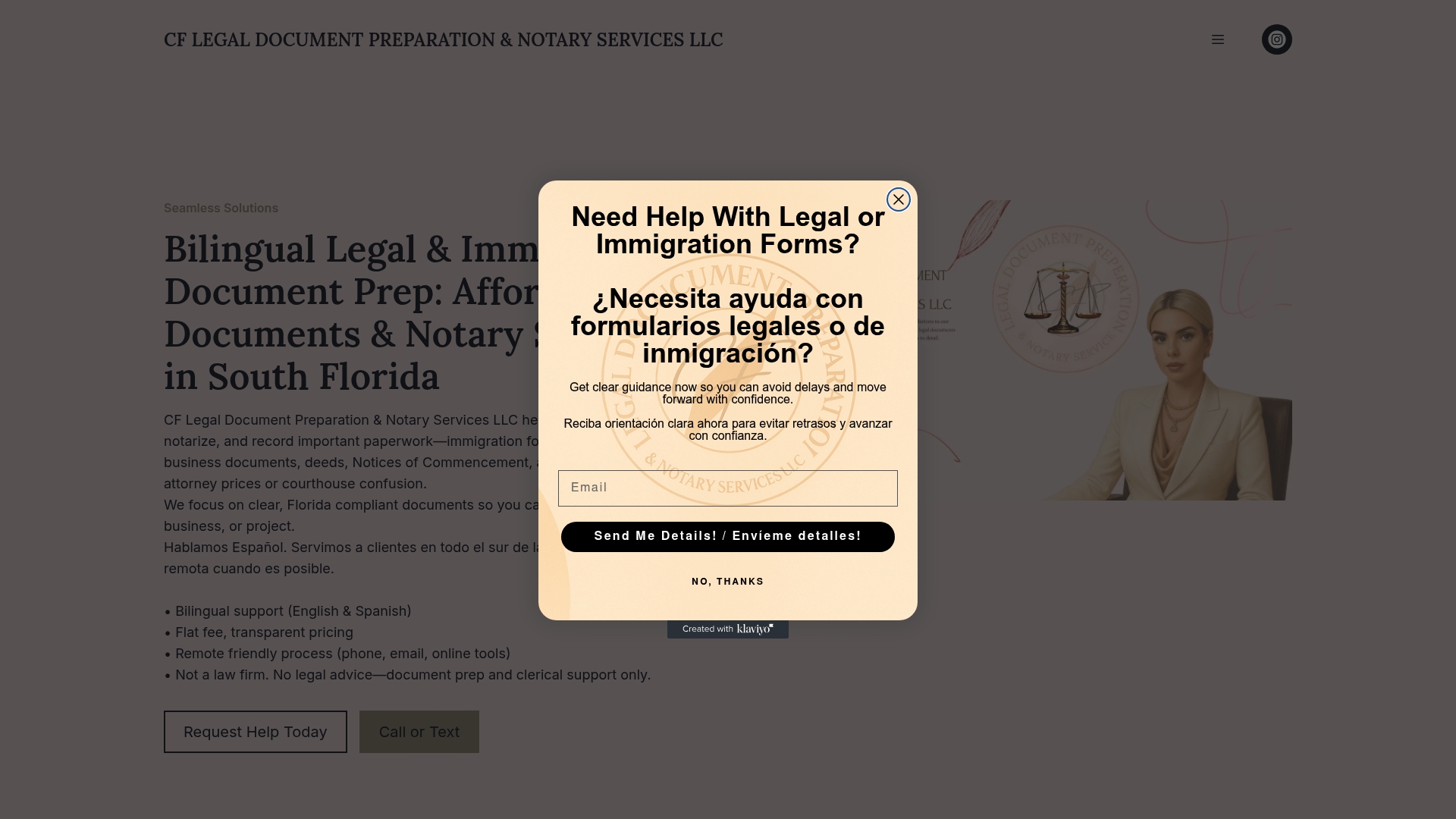
Cflegalformhelp, founded by Cristina Fernandez, a certified legal document preparer and immigration paralegal based in Naples, Florida, provides bilingual divorce document preparation in English and Spanish for self-represented clients across South Florida. The service covers intake, form preparation, review, and filing guidance, with clear communication at every stage in your preferred language.
If you are navigating an uncontested divorce and want accurate paperwork without the cost of full legal representation, Cflegalformhelp's legal document preparation services are built for exactly that situation. Flat fees, no hidden charges, and bilingual support from start to finish.
Key Takeaways
Bilingual divorce document preparation reduces errors, lowers costs, and gives non-English speakers the clarity they need to complete accurate paperwork and avoid delays.
| Point | Details |
|---|---|
| Errors cost more than preparation | Mistakes in names, dates, or legal terms cause court rejections and refiling, adding time and expense to your case. |
| Bilingual support cuts interpreter costs | Eliminating separate interpreter fees reduces your total divorce expenses and speeds up case resolution. |
| Uncontested cases need bilingual help too | A single miscommunication in an uncontested divorce agreement can create disputes that take years to resolve. |
| Cultural competence matters as much as language | Understanding a client's cultural background produces more accurate documents and more complete disclosures. |
| Flat-fee pricing protects your budget | Transparent, flat-fee bilingual services let you plan costs upfront and avoid open-ended charges. |