

A signature by mark is defined as a legally recognized alternative to a handwritten signature, where a signer makes a physical mark, typically an "X," to authenticate a document. The industry term you will see in state statutes and National Notary Association guidance is "signature by mark," and understanding what is a signature by mark notary procedure requires knowing both the definition and the procedural safeguards that make it enforceable. This method exists specifically for individuals who cannot write their full name due to physical disability, illness, or illiteracy. When proper notarization and witnessing procedures are followed, a mark carries the same legal weight as a cursive signature.
What is a signature by mark notary and how does it work?
A signature by mark is an alternative to a full written signature, recognized legally when the signer intends it to authenticate a document. That intent is the legal cornerstone. Without it, a random mark on a page means nothing. With it, and with the right witnesses and notary present, an "X" becomes as binding as any cursive name.
The notary's role goes beyond stamping a page. The notary must verify the signer's identity, confirm the signer understands what they are signing, and confirm the act is voluntary. These three checks protect against fraud and coercion. They also create a documented record that can hold up in court if the document is ever challenged.

Witnesses are the second layer of protection. Most states require one or two witnesses to observe the signer making the mark and to sign the document themselves as attesters. In California and Florida, two witnesses are required, and the notary certificate must state that the mark was affixed in the notary's presence. That certificate language is not optional. It is what tells a bank, recorder, or government office that the document was properly executed.
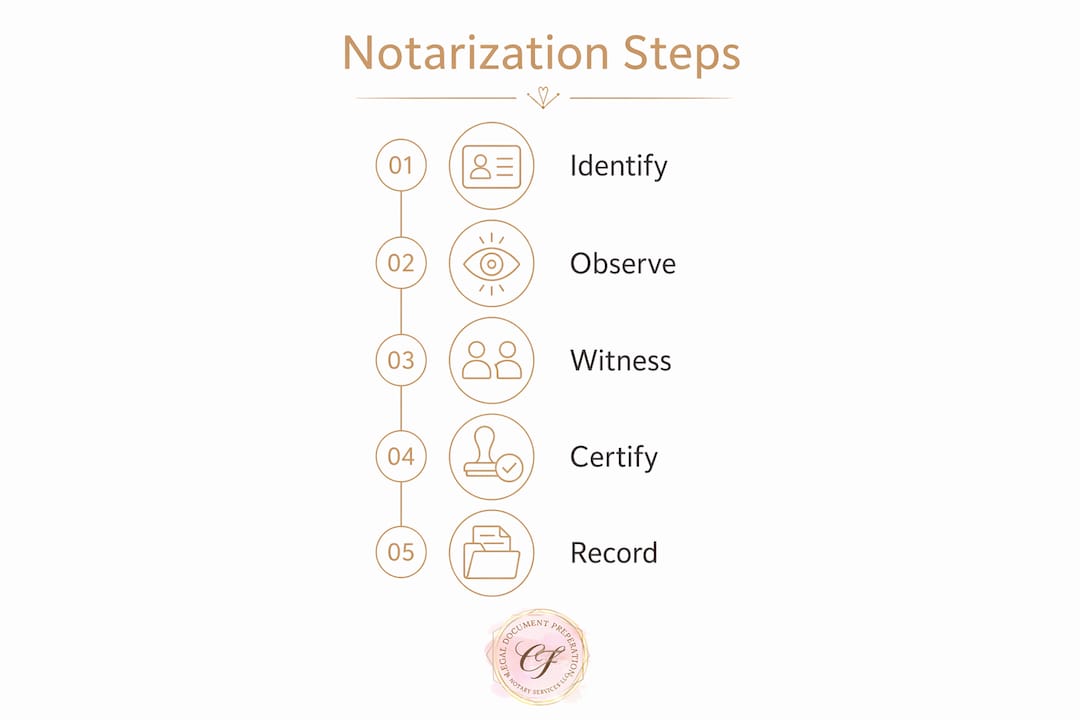
Key steps in the notarization process
- The signer appears in person before the notary with valid, government-issued identification.
- Two witnesses (in most states) are present and observe the signer physically making the mark.
- The notary confirms the signer's identity, willingness, and understanding of the document.
- The notary completes a certificate with mark-specific language, naming the witnesses and describing the mark.
- All parties sign the document and the notary records the transaction in their journal.
Pro Tip: Never use a standard acknowledgment or jurat certificate for a signature by mark notarization. Standard certificates do not include mark-specific language, and banks and recorders will reject the document.
Signature by mark vs. signature by proxy: what is the difference?
These two methods are frequently confused, and the confusion creates real legal problems. Signature by mark and signature by proxy are distinct legal procedures with different requirements, different certificate language, and different evidentiary standards.
Signature by mark requires the signer to physically place the mark on the document themselves. The signer holds the pen or makes contact with the paper. No one else guides their hand. Signature by proxy, by contrast, involves another person signing the document at the signer's explicit direction. The proxy physically writes the name or mark while the signer directs them.
The distinction matters enormously in practice. Here is how the two methods compare procedurally:
- Who makes the mark. In signature by mark, the signer does it personally. In signature by proxy, a designated third party does it.
- Physical assistance. A notary must never guide a signer's hand during marking. Assisted marking is considered proxy signing and triggers a completely different set of legal and procedural obligations.
- Certificate language. Signature by mark certificates name the witnesses and describe the mark. Proxy certificates identify the proxy, state the signer's direction, and may require additional authorization language.
- When each applies. Signature by mark applies when the signer can physically make any mark, however small. Proxy signing applies only when the signer cannot make a mark at all and is not always permitted under state law.
The practical takeaway is straightforward. If the signer can touch pen to paper, use signature by mark procedures. If they cannot, the notary must determine whether proxy signing is permitted in that state and follow the correct protocol. Mixing up these two procedures is one of the most common errors notaries make with physically impaired signers.
How do state requirements for signature by mark vary?
State-specific requirements for signature by mark notarizations vary significantly in witness numbers, certificate wording, and journal documentation. This is the non-intuitive risk in signature by mark work. The mark itself is rarely the problem. The paperwork surrounding it is where documents get rejected.
The table below summarizes requirements across several states to illustrate the range of compliance obligations.
| State | Witnesses Required | Certificate Language Notes |
|---|---|---|
| California | Two | Certificate must state mark was affixed in notary's presence; witness names required |
| Florida | Two | Two witnesses must sign; notary certificate must reference the mark specifically |
| North Carolina | Two | Specific statutory certificate language required; witness names and addresses included |
| Massachusetts | Two | Witnesses must sign; certificate must identify the signer and describe the mark |
| Rhode Island | Two | Certificate must name witnesses; specific phrasing required by statute |
| Washington | Two | Two witnesses and notarization required; real-time witnessing is mandatory |
Institutions like banks and government recorders frequently reject documents signed by mark when the notarial certificate lacks mark-specific language. That rejection is not a technicality. It reflects the fact that the document does not meet the evidentiary standard required to prove the signer's intent and identity.
Some states also require that witnesses be disinterested parties, meaning they cannot be beneficiaries of the document or have any financial stake in it. This rule exists to prevent fraud. A witness with something to gain from the document's contents has an obvious incentive to lie about what they observed.
For documents intended for use outside the United States, additional authentication layers may apply. You can learn more about those requirements in this guide on notarizing documents for overseas use.
Practical tips for using signature by mark correctly
Getting a signature by mark notarization right requires preparation from both the signer and the notary. Most failures happen before the pen ever touches the paper.
For individuals using signature by mark:
- Bring two disinterested witnesses who have no stake in the document. Family members who inherit under a will, for example, should not serve as witnesses on that will.
- Carry valid, government-issued photo identification. The notary must verify your identity regardless of your signing method.
- Confirm in advance that the notary is familiar with signature by mark procedures. Not every notary has handled this situation before.
- Review the mobile notary appointment preparation process so you arrive ready with everything needed.
For notaries handling signature by mark:
- Use a certificate specifically drafted for signature by mark. Do not adapt a standard acknowledgment.
- Record the full names and addresses of both witnesses in your notary journal. Incorrect certificate language or omission of witness names is a leading cause of document rejection at official recorders.
- Confirm the signer is making the mark independently. The moment you touch their hand or guide the pen, the legal character of the act changes.
- Real-time witnessing by all parties is mandatory. Witnesses who were not present when the mark was made cannot attest to it after the fact.
Pro Tip: Before finalizing any signature by mark notarization, verify your state's current statute. Requirements change, and a certificate that was compliant two years ago may not meet today's standards.
If the signer cannot make any mark at all, do not proceed with signature by mark procedures. Confirm whether your state permits proxy signing, and if so, follow the separate procedural requirements for that method. Using the wrong procedure does not just risk rejection. It can render the document legally unenforceable.
For documents like wills, where witnessing requirements are especially strict, this guide on why wills need notarization in Florida provides additional context on why every procedural step matters.
Key takeaways
A signature by mark is legally equivalent to a written signature when the correct witnessing and notarial certificate procedures are followed without exception.
| Point | Details |
|---|---|
| Legal equivalence | A mark such as an "X" carries full legal weight when intent to authenticate is present and procedures are followed. |
| Witness requirement | Most states require two disinterested witnesses who observe the mark being made in real time. |
| Certificate language | Standard notary certificates are insufficient; mark-specific language naming witnesses is required. |
| Mark vs. proxy | The signer must make the mark personally; any physical guidance by the notary converts it to proxy signing. |
| State variation | Requirements differ by state, so verify current statutes before completing any signature by mark notarization. |
Why precision in signature by mark notarizations matters more than most notaries realize
I have seen more signature by mark notarizations go wrong than almost any other document type, and the failure is almost never the mark itself. It is the certificate. A notary uses a standard acknowledgment form because it is what they have on hand, the witnesses sign, everyone leaves feeling confident, and then the document gets rejected at the county recorder three weeks later. The signer, who may be elderly or seriously ill, has to go through the entire process again.
What I have learned from working with clients across Florida is that this procedure demands preparation before the appointment, not improvisation during it. You need the right certificate language printed and ready. You need to have confirmed your state's witness requirements. You need to know the difference between signature by mark and proxy signing before you are sitting across from someone who cannot lift their arm.
The ethical weight here is real. When someone cannot sign their name, they are often in a vulnerable position. They are trusting the notary to get it right. Getting it wrong is not just a paperwork problem. It can mean a will is unenforceable, a power of attorney is invalid, or a property transfer fails. Signature by mark is not a lesser form of signing. It is a protected legal right, and it works perfectly when the procedure is executed correctly.
— Cristina
Need help with a signature by mark notarization?
Signature by mark notarizations require the right certificate language, the right witnesses, and a notary who knows the specific rules for your state. Cflegalformhelp provides professional mobile notary services across South Florida, including Naples, with expertise in signature by mark compliance, proper certificate preparation, and witness coordination.
Whether you need a notarization for a will, power of attorney, real estate document, or any other legal form, Cflegalformhelp handles the procedural details so your document is accepted the first time. Bilingual service in English and Spanish is available. Flat-fee pricing means no surprises. Contact Cflegalformhelp today to schedule your appointment and get it done right.
FAQ
What does a signature by mark mean legally?
A signature by mark is a legally recognized substitute for a written signature, where the signer makes a physical mark such as an "X" to authenticate a document. It carries full legal weight when proper witnessing and notarization procedures are completed.
Who can use a signature by mark on legal documents?
Any individual who cannot write their full name due to physical disability, illness, or illiteracy can use a signature by mark. The signer must be able to physically place the mark on the document themselves.
How many witnesses are required for a signature by mark?
Most states, including California, Florida, and Washington, require two witnesses to observe the signer making the mark in real time. Witnesses must typically be disinterested parties with no stake in the document.
What is the difference between a signature by mark and a signature by proxy?
A signature by mark is made personally by the signer, while a signature by proxy involves another person signing at the signer's direction. These are separate legal procedures with different certificate language and requirements.
Can a standard notary certificate be used for a signature by mark?
A standard acknowledgment or jurat certificate is not sufficient for a signature by mark notarization. The certificate must include mark-specific language naming the witnesses and confirming the mark was made in the notary's presence.